A home inspection is one of the most useful tools a buyer has. It will not tell you everything about a home, and it cannot predict every future repair, but it can help you understand the property's condition before you fully commit.
In Ottawa, inspections are especially important because the city has a wide range of housing stock: century homes, post-war bungalows, suburban townhomes, newer builds, condos, and rural properties with wells and septic systems. Each type of property has its own risks.
This guide explains what buyers should watch for during an Ottawa home inspection.
Quick Answer
Ottawa buyers should pay close attention to foundation and basement moisture, roof condition, attic insulation and ventilation, electrical systems, plumbing, heating and cooling equipment, windows, drainage, renovation quality, and signs of deferred maintenance. Older homes, rural homes, and heavily renovated properties often need extra due diligence.
What A Home Inspection Does
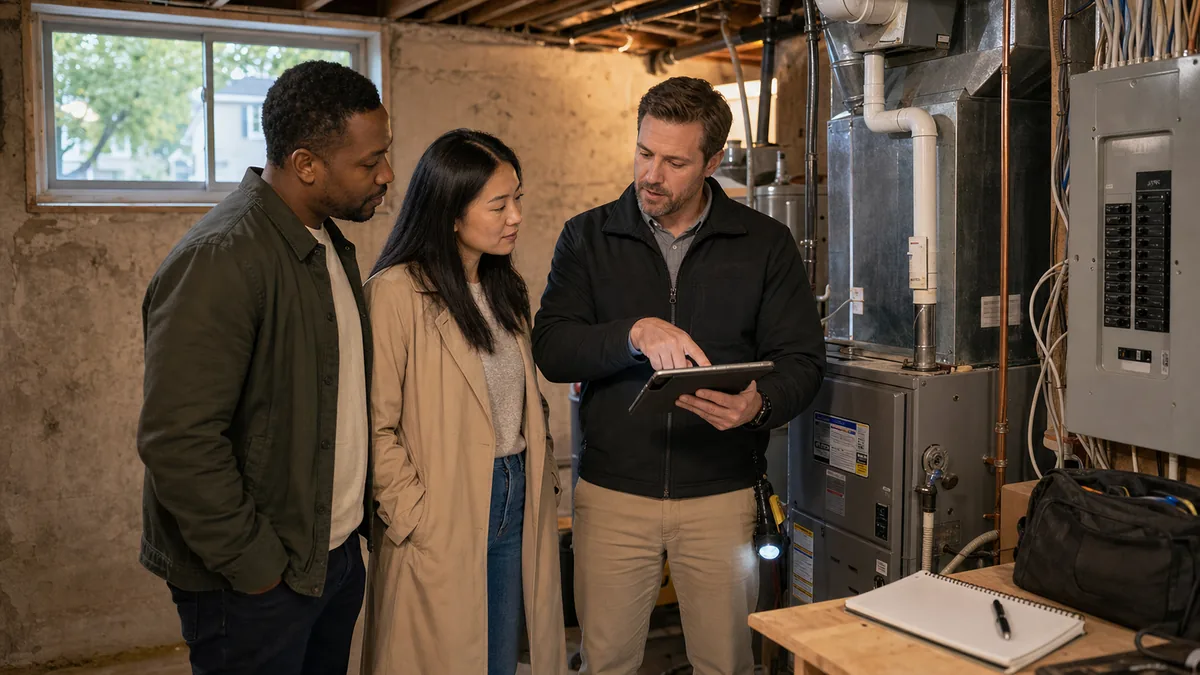
A home inspection is a visual review of the property's accessible systems and components.
An inspector typically looks at:
- Roof and exterior
- Foundation
- Basement
- Attic
- Insulation and ventilation
- Electrical system
- Plumbing system
- Heating and cooling
- Windows and doors
- Interior condition
- Safety concerns
- Drainage and grading
The inspector is not opening walls or guaranteeing that nothing will go wrong. The goal is to identify visible concerns, safety issues, maintenance needs, and areas that may require further evaluation.
Why Ottawa Homes Need A Four-Season Mindset
Ottawa weather is hard on houses.
Homes deal with freezing winters, spring melt, heavy rain, humidity, snow loads, freeze-thaw cycles, and hot summers. A property that looks tidy during a showing may still have issues related to drainage, insulation, roof wear, or foundation movement.
When viewing a home, think about how it performs year-round.
Ask:
- Where does snow pile up?
- Does water drain away from the foundation?
- Is the basement dry?
- Are there ice dam risks?
- Is the attic properly ventilated?
- Are windows drafty?
- Is the driveway practical in winter?
- Are exterior stairs and walkways safe in snow and ice?
Basements And Foundation Concerns
Basements deserve careful attention in Ottawa.
Look for:
- Water stains
- Musty smells
- Efflorescence on foundation walls
- Cracks
- Fresh paint or patching in isolated areas
- Uneven floors
- Sump pump systems
- Poor grading outside
- Downspouts draining near the foundation
Not every crack is catastrophic, and not every basement concern means you should walk away. But water issues can be expensive and disruptive, especially if drainage, waterproofing, or foundation repairs are needed.
Older neighbourhoods with mature trees and aging infrastructure may require extra attention.
Roof Condition
A roof does not need to be perfect, but buyers should understand its age and condition.
Watch for:
- Curling or missing shingles
- Uneven roof lines
- Moss or heavy wear
- Damaged flashing
- Poor drainage
- Staining in attic spaces
- Signs of previous leaks
Roof replacement can be a major cost. If the roof appears near the end of its life, factor that into your offer and future budget.
Attic, Insulation, And Ventilation
The attic can reveal a lot about how a home handles moisture and temperature.
Inspectors often look for:
- Insulation depth
- Ventilation
- Bathroom fans venting properly
- Moisture staining
- Mold-like growth
- Animal activity
- Roof leaks
- Ice dam evidence
Poor attic ventilation can contribute to condensation, roof wear, and winter ice issues. In older Ottawa homes, insulation upgrades may be needed for comfort and efficiency.
Electrical Systems
Electrical concerns are common in older homes and renovated properties.
An inspector may look at:
- Electrical panel size and condition
- Aluminum wiring
- Knob-and-tube wiring
- Ungrounded outlets
- Double-tapped breakers
- DIY wiring
- GFCI protection
- Visible safety issues
Some electrical issues are manageable. Others may affect insurance, financing, or renovation plans. If concerns are found, a licensed electrician may need to evaluate further.
Plumbing
Plumbing issues can range from minor leaks to major system replacement.
Watch for:
- Low water pressure
- Slow drains
- Leaks under sinks
- Old supply lines
- Galvanized plumbing
- Poly-B plumbing, where present
- Water heater age
- Stains under bathrooms
- Basement plumbing concerns
In older homes, plumbing may have been updated in stages. Ask what was done, when, and whether permits were required.
Heating And Cooling
Ottawa homes need reliable heating.
Inspectors usually check the visible condition and basic operation of heating and cooling systems. They may note age, maintenance, venting, visible rust, and safety concerns.
Ask about:
- Furnace age
- Air conditioner age
- Maintenance history
- Rental equipment
- Hot water tank ownership or rental
- Baseboard or boiler systems
- Wood-burning appliances
- Heat pumps
Rental equipment should be reviewed carefully because it can affect monthly costs and buyer obligations.
Windows And Doors
Windows affect comfort, efficiency, and future costs.
Look for:
- Failed seals
- Condensation between panes
- Rot
- Drafts
- Poor operation
- Water staining
- Older single-pane windows
Window replacement can be expensive, especially in larger homes. Older windows are not always a deal-breaker, but buyers should understand the likely timeline.
Exterior Drainage And Grading
Water should move away from the house.
During showings and inspections, look at:
- Lot slope
- Downspout extensions
- Gutters
- Window wells
- Soil against siding
- Low spots near the foundation
- Driveway slope
- Neighbouring grade
Poor drainage can contribute to basement moisture. Sometimes fixes are simple, such as extending downspouts. Other times, the solution is more involved.
Renovation Quality
A beautifully renovated home can still have problems.
Watch for signs of rushed or poor-quality work:
- Uneven flooring
- Poor tile work
- Doors that do not close properly
- Missing permits for major changes
- Odd electrical or plumbing choices
- Basement finishes hiding moisture concerns
- Structural walls removed without documentation
- New finishes over old problems
Cosmetic updates are not the same as quality renovations. Buyers should ask what work was done, who did it, and whether permits were required.
Older Ottawa Homes
Older homes can be wonderful, but they need careful review.
Common issues may include:
- Aging electrical
- Older plumbing
- Foundation movement
- Basement moisture
- Poor insulation
- Old windows
- Asbestos-containing materials
- Lead paint in very old homes
- Structural modifications
- Aging sewer lines
Do not assume an older home is a problem. Many are well maintained. But do budget for ongoing care.
Condos Need Inspections Too
Some buyers skip inspections on condos because the unit seems simple. That can be a mistake.
A condo inspection can identify issues inside the unit, such as plumbing leaks, electrical concerns, appliance problems, HVAC issues, window concerns, and balcony or moisture issues where visible.
For condos, the inspection is only one piece of the due diligence. You should also review the status certificate package with your lawyer.
Rural Property Inspections
Rural properties near Ottawa require more specialized due diligence.
Depending on the property, consider:
- Septic inspection
- Well water testing
- Well flow or recovery review
- Water treatment systems
- Propane systems
- Wood stove or fireplace review
- Outbuildings
- Driveway access
- Drainage
- Internet availability
- Zoning and permitted uses
A standard home inspection may not cover everything you need. Ask early which specialists should be involved.
What To Do After The Inspection
After the inspection, you usually receive a report.
Review it calmly. Most homes have issues. The question is whether the issues are expected, manageable, expensive, urgent, or unacceptable.
Sort findings into categories:
- Safety concerns
- Major repairs
- Further evaluation needed
- Maintenance items
- Cosmetic issues
- Future upgrades
Then decide what to do based on your agreement, conditions, budget, and risk tolerance.
Should You Renegotiate After An Inspection?
Sometimes. It depends on the issue and the market.
Renegotiation may be reasonable if the inspection reveals a material concern that was not obvious before the offer, such as a major roof issue, structural concern, significant water problem, or expensive system failure.
Small maintenance items are usually part of home ownership. A long inspection list does not automatically mean the seller should reduce the price.
Your approach should be practical, evidence-based, and tied to the seriousness of the concern.
Common Mistakes Buyers Make
One mistake is treating the inspection as pass or fail. It is really an information tool.
Another mistake is panicking over minor issues while ignoring major ones. A loose handrail is different from foundation movement.
Some buyers also underestimate repair costs. If a major issue appears, get contractor input when possible.
Finally, buyers sometimes skip inspections in competitive markets without understanding the risk. If you are considering that strategy, discuss alternatives such as pre-offer inspections or reviewing available documentation before offering.
Ottawa Buyer Inspection Checklist
Before firming up on a purchase, make sure you understand:
- Roof condition
- Foundation and basement moisture
- Electrical concerns
- Plumbing concerns
- Heating and cooling age
- Window condition
- Drainage and grading
- Renovation quality
- Rental equipment
- Insurance concerns
- Condo documents, if applicable
- Well and septic, if applicable
- Immediate repair budget
FAQ
Do I need a home inspection in Ottawa?
A home inspection is strongly recommended for many buyers, especially when buying older homes, rural properties, renovated homes, or properties with visible maintenance concerns.
Can a home inspection find everything?
No. A standard inspection is visual and limited to accessible areas. It can identify many concerns, but it cannot guarantee that no hidden issues exist.
Should I inspect a condo?
Yes, a condo inspection can still be useful. You should also have a lawyer review the status certificate package.
What are the biggest inspection concerns in Ottawa homes?
Common concerns include basement moisture, roof age, older electrical systems, plumbing issues, poor drainage, insulation and ventilation problems, and questionable renovations.
What happens if the inspection finds problems?
Your options depend on your agreement and conditions. You may proceed, ask for repairs or a price adjustment, seek further evaluation, or decide not to proceed if your condition allows it.
Are older homes in Ottawa risky?
Older homes are not automatically risky, but they require careful inspection and realistic budgeting. Many older homes are solid, but systems and materials may need updates.
Final Thoughts
A home inspection helps you buy with open eyes. It is not about finding a flawless property. It is about understanding what you are buying, what it may cost to maintain, and which issues deserve attention before you firm up.
In Ottawa, where homes vary so much by age, style, location, and property type, that information can make the difference between a confident purchase and an expensive surprise.