
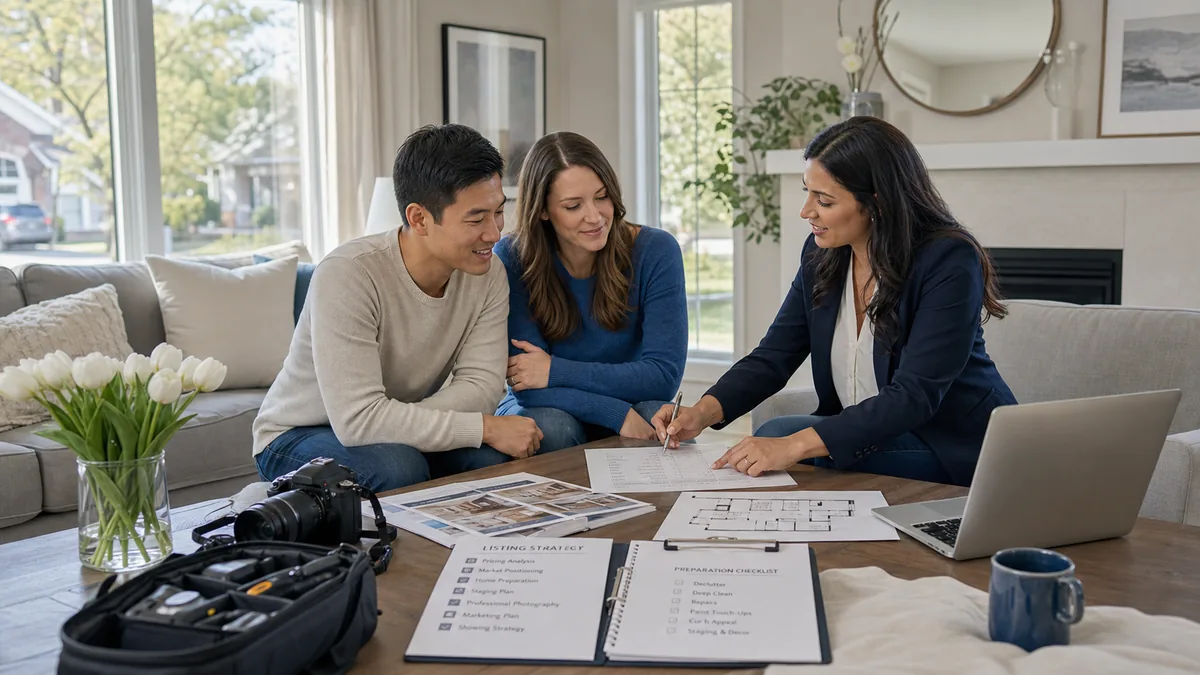
Selling a home in Ottawa is not just about putting it on MLS and waiting. The strongest results usually come from a clear plan: price correctly, prepare the property, present it well, market it widely, manage showings, negotiate carefully, and keep the deal on track through closing.
The details depend on your property type, neighbourhood, timing, and current market conditions, but the fundamentals stay the same.
Quick Answer
To sell a home in Ottawa, start with a pricing strategy based on comparable sales and active competition, prepare the home for photos and showings, launch with strong marketing, manage buyer interest, review offers carefully, negotiate the full terms, complete conditions, and prepare for closing. The best sale strategy is specific to your home, not copied from another listing.
Step 1: Understand Your Market Position
Before deciding price or timing, understand where your home fits in the market.
Look at:
- Recent comparable sales
- Active competing listings
- Expired listings
- Days on market
- Neighbourhood demand
- Property type demand
- Condition and updates
- Lot, layout, parking, and features
A detached home in a popular family neighbourhood may need a different strategy than a downtown condo, rural property, estate sale, or suburban townhome.
Step 2: Choose The Right Pricing Strategy
Pricing is one of the most important decisions in the sale.
A strong pricing strategy should consider:
- Market value
- Buyer search ranges
- Competition
- Current inventory
- Property condition
- Urgency
- Seller goals
- Offer strategy
Overpricing can cause a home to sit. Underpricing can create attention, but it must be used carefully and honestly. The right price is not about ego. It is about positioning.
Step 3: Prepare The Home
Preparation helps buyers see the home clearly.
Focus on:
- Decluttering
- Deep cleaning
- Minor repairs
- Paint touch-ups
- Lighting
- Curb appeal
- Odour control
- Window cleaning
- Yard cleanup
- Simple staging
The goal is not to make the home perfect. The goal is to remove distractions and make the property easy to understand.
Step 4: Decide What To Fix
Not every repair is worth doing before listing.
Good pre-listing repairs often include:
- Leaky faucets
- Broken fixtures
- Damaged trim
- Loose railings
- Burned-out lights
- Door hardware issues
- Minor drywall damage
- Obvious safety concerns
Major renovations are more complicated. A full kitchen renovation before selling may not return its cost. A clean, neutral, well-presented home often performs better than one with rushed upgrades.
Step 5: Stage For The Likely Buyer
Staging should match the buyer profile.
A family home should show functional bedrooms, storage, and family living space. A condo should emphasize layout, light, workspace, and lifestyle. A downsizer-friendly bungalow should show ease of movement and main-floor living.
Staging is not about decoration. It is about helping buyers understand how the home lives.
Step 6: Use Strong Photography And Marketing
Most buyers see the home online first.
Strong marketing may include:
- Professional photography
- Floor plans
- Video or virtual tour
- Feature sheets
- Social media promotion
- Email marketing
- MLS exposure
- Neighbourhood-focused copy
- Targeted buyer messaging
Listing descriptions should be specific. Instead of vague phrases like "must see," explain what matters: layout, updates, sunlight, yard, location, schools, transit, parking, and lifestyle.
Step 7: Manage Showings
Showings need to be easy enough for buyers to attend.
Before showings:
- Keep the home clean
- Open blinds
- Turn on lights
- Secure valuables
- Remove pets when possible
- Keep temperature comfortable
- Make access simple
The easier it is to show the home, the more buyers can consider it seriously.
Step 8: Review Feedback
Buyer feedback can be useful, but it needs to be interpreted carefully.
One negative comment may not matter. Repeated feedback about price, odour, layout confusion, condition, or access should be taken seriously.
The market gives signals. Good sellers listen without overreacting.
Step 9: Evaluate Offers
The best offer is not always the highest price.
Review:
- Price
- Deposit
- Financing condition
- Inspection condition
- Sale of property condition
- Closing date
- Inclusions and exclusions
- Buyer strength
- Irrevocable time
- Special clauses
A slightly lower offer with stronger terms may be better than a higher offer with more uncertainty.
Step 10: Negotiate Carefully
Negotiation should be strategic, not emotional.
Think about:
- Your minimum acceptable result
- The buyer's likely motivation
- Market competition
- Risk of losing the buyer
- Whether the terms are clean
- Timing
- Your next move if the offer fails
The goal is not to win every point. The goal is to reach the best overall deal.
Step 11: Get Through Conditions
If the offer has conditions, the sale is not firm yet.
During the conditional period, the buyer may complete financing, inspection, insurance, condo status certificate review, or sale of property conditions.
Be responsive. Provide access and documents when needed. Delays can create uncertainty.
Step 12: Prepare For Closing
After the sale is firm, prepare for closing.
You may need to:
- Hire or coordinate with your lawyer
- Arrange mortgage payout details
- Prepare keys and remotes
- Cancel or transfer utilities
- Organize moving
- Complete agreed repairs
- Leave included items
- Clean the property according to the agreement
Good closing preparation reduces last-minute stress.
Common Seller Mistakes
Common mistakes include overpricing, skipping preparation, using weak photos, ignoring buyer feedback, making showings difficult, and focusing only on price while ignoring offer risk.
Another mistake is assuming last year's market is today's market. Ottawa conditions can change by neighbourhood, price point, and property type.
FAQ
How long does it take to sell a home in Ottawa?
It depends on pricing, condition, location, property type, and market conditions. Some homes sell quickly, while others need more time and adjustment.
Should I renovate before selling?
Not always. Small repairs, cleaning, paint, and presentation often matter more than expensive renovations. Major projects should be evaluated carefully.
Is staging worth it?
Often, yes. Staging helps buyers understand space and can improve presentation in photos and showings.
Should I accept the highest offer?
Not automatically. Review conditions, deposit, closing date, buyer strength, and overall certainty.
When should I talk to an agent?
Ideally before you start preparing. Early advice can help you avoid spending money on the wrong things.
Final Thoughts
Selling well in Ottawa takes more than a listing. It takes positioning, preparation, pricing, marketing, and negotiation.
When those pieces work together, buyers see the home clearly and sellers are in a stronger position to get the result they want.